The Challenge of Low-Quality Surveillance Footage
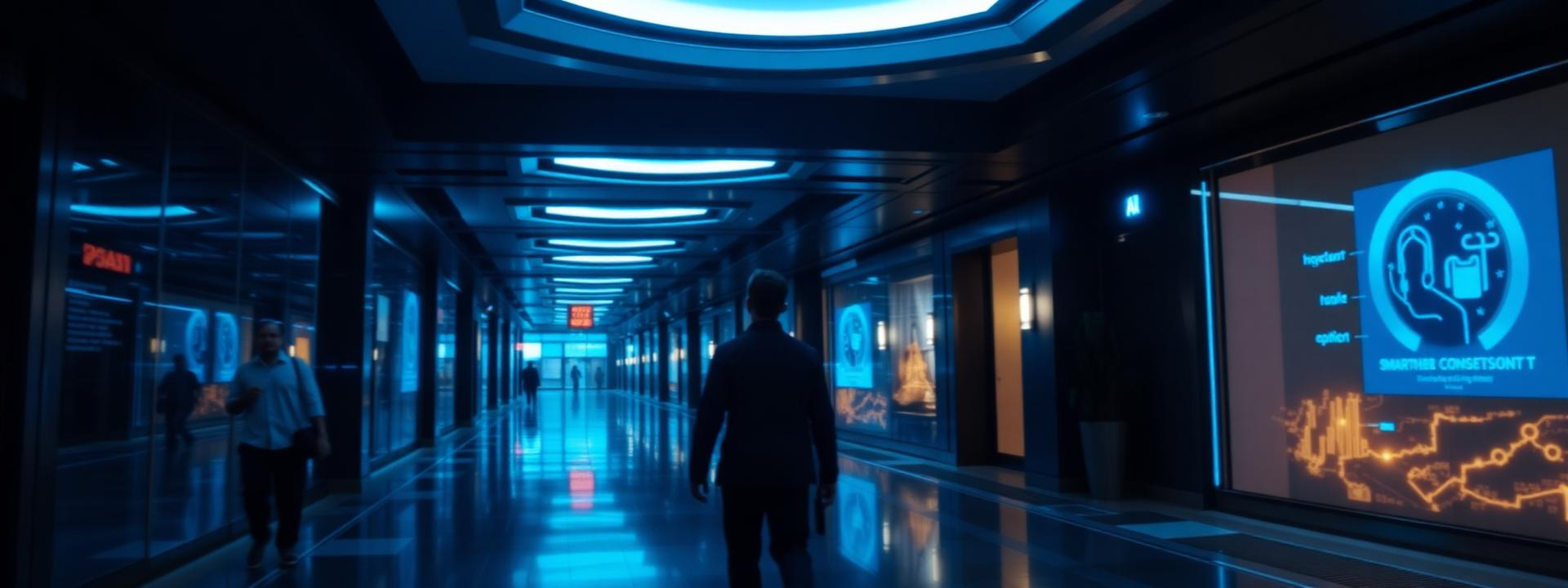
Security investigations often begin with surveillance videos that provide only limited visual information. Cameras installed at long distances, poor lighting conditions, adverse weather or compressed video recordings frequently produce blurry footage. In these situations, facial recognition may not deliver reliable identification, leaving investigators with limited evidence.
Gait recognition introduces a different approach by analyzing how a person walks rather than relying exclusively on facial characteristics. By extracting unique behavioral features from body movement, investigators gain additional intelligence that supports evidence collection even when image quality is less than ideal.
How Gait Recognition Extracts Actionable Evidence
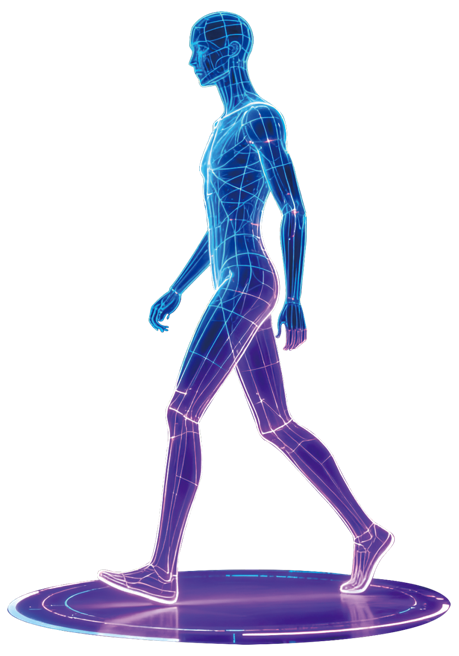
Gait recognition uses artificial intelligence, computer vision & deep learning to analyze movement patterns captured in surveillance videos. Instead of focusing on facial details, the system evaluates stride length, walking rhythm, posture, arm swing & body dynamics to create a unique gait profile.
Once the profile is generated, intelligent video analytics compares the movement signature across multiple video sources. Even when surveillance footage is blurry or partially obstructed, consistent walking behavior can help investigators identify potential matches, narrow investigation scope & establish movement timelines.
This capability significantly increases the practical value of surveillance footage that might otherwise provide limited investigative support.
From Blurry Video to Investigative Leads
A typical investigation may begin with a low-resolution camera recording outside a commercial building or public facility. The individual appears only briefly, facial details are difficult to recognize & clothing offers little long-term identification value.
Using gait recognition, investigators analyze behavioral characteristics rather than visual appearance. The AI system searches other surveillance recordings collected from nearby locations & identifies similar walking patterns across multiple cameras. These behavioral matches generate investigative leads that help reconstruct travel routes, verify suspect movements & prioritize additional evidence collection.
Rather than replacing traditional investigative methods, gait recognition provides another reliable source of biometric intelligence.
Key Advantages of Gait Recognition in Video Analysis
Modern gait recognition platforms improve investigation efficiency through several important capabilities:
Analyze walking behavior instead of relying only on facial visibility
Process blurry, low-resolution & long-distance surveillance footage
Track individuals across multiple cameras & locations
Support continuous investigation using behavioral biometrics
Accelerate evidence review through AI-powered video analytics
These advantages help investigators obtain meaningful intelligence from surveillance footage that was previously difficult to analyze.
Comparison Between Traditional Video Review & Gait Recognition
|
Investigation Challenge |
Traditional Video Analysis |
Gait Recognition Solution |
|
Blurry surveillance footage |
Limited visual evidence |
Behavioral analysis remains effective |
|
Poor lighting conditions |
Facial recognition accuracy decreases |
Walking patterns continue to provide useful data |
|
Appearance changes |
Clothing may vary between recordings |
Gait characteristics remain relatively stable |
|
Multi-camera investigations |
Manual comparison requires significant time |
AI automates cross-camera behavioral matching |
|
Large video datasets |
Slow evidence review |
Intelligent video analytics improves efficiency |
This comparison demonstrates why gait recognition has become an important enhancement for modern surveillance investigations.
Supporting Law Enforcement & Public Safety
Law enforcement agencies, transportation authorities & public security organizations increasingly integrate gait recognition into intelligent video analytics platforms. The technology helps investigators identify repeated activity, monitor movement across surveillance networks & establish stronger investigative timelines.
By combining gait recognition with facial recognition, object detection & vehicle analytics, agencies create a multi-layered investigative framework that improves operational efficiency while supporting more accurate decision-making.
The Future of AI-Powered Video Investigations
Artificial intelligence continues advancing the capabilities of behavioral biometrics. Modern gait recognition systems achieve higher recognition accuracy through deep learning, edge computing & real-time video processing. Future surveillance platforms are expected to integrate multiple biometric technologies, enabling faster investigations & more comprehensive security analysis.
As cities expand intelligent surveillance infrastructure, gait recognition will continue providing investigators with valuable behavioral evidence when traditional identification methods face limitations.
FAQ: Gait Recognition & Blurry Surveillance Footage
Q1: Can gait recognition identify people in blurry surveillance footage?
Gait recognition analyzes walking behavior rather than facial details, making it useful when video quality limits traditional identification methods.
Q2: Why is gait recognition effective when faces are unclear?
Walking patterns remain relatively consistent, allowing AI systems to identify behavioral characteristics even when facial images are unavailable.
Q3: Does gait recognition replace facial recognition?
No. It complements facial recognition by providing another biometric method that strengthens investigative analysis.
Q4: What information does gait recognition analyze?
The technology evaluates stride length, posture, walking rhythm, arm movement & overall body dynamics to create a behavioral profile.
Q5: Which organizations benefit from gait recognition technology?
Law enforcement agencies, public safety departments, transportation operators, smart city projects & critical infrastructure organizations commonly use gait recognition to improve intelligent video analytics & investigative efficiency.